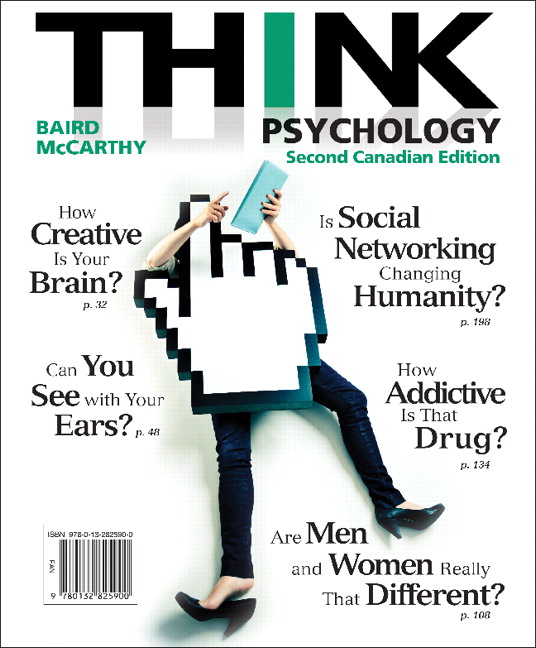
Description
Solution Manual for Psychology 1st Canadian Edition Marin
Solution Manual for Psychology, 1st Canadian Edition By Amy J. Marin, Roger R. Hock, Serge Desmarais, Deborah Saucier, ISBN-10: 0134839323, ISBN-13: 9780134839325
Table of Contents
1: The Science of Psychology
Introduction: The Science of Psychology
1.1: What Is Psychology?
1.2: Approaches to Behaviour
1.3: Conducting Research in Psychology
1.4: Experimental Methods
1.5: Psychology in a Dynamic World: The Psychology of Internet Gaming Addiction
Shared Writing: Heredity Versus the Environment
2: Foundations of Behaviour
Introduction: Foundations of Behaviour
2.1: Models of Behaviour
2.2: Biological Foundations I: The Nervous and Endocrine Systems
2.3: Biological Foundations II: The Brain
2.4: Cultural Foundations
2.5: Psychology in a Dynamic World: The fMRI: Scientific Mind Reading?
Shared Writing: Studying Culture
3: Sensation and Perception
Introduction: Sensation and Perception
3.1: Principles of Sensation
3.2: Your Sensory Equipment
3.3: Perception
3.4: Perceptual Interpretation
3.5: Psychology in a Dynamic World: Extraordinary Abilities: Echolocation
Shared Writing: Perceptual Errors
4: Consciousness
Introduction: Consciousness
4.1: States of Consciousness
4.2: Sleep
4.3: Dreams
4.4: Hypnosis and Meditation
4.5: Drug-Altered Consciousness
4.6: Psychology in a Dynamic World: Mindfulness and You
Shared Writing: Subliminal Messages
5: Learning
Introduction: Learning
5.1: Rudimentary Learning
5.2: Classical Conditioning
5.3: Operant Conditioning
5.4: Cognitive Learning
5.5: Psychology in a Dynamic World: Behaviour Modification: New Technologies and Weight Loss
Shared Writing: Early Childhood Education
6: Memory
Introduction: Memory
6.1: Memory’s Three Tasks
6.2: The Biology of Memory
6.3: Forgetting
6.4: Improving Your Memory
6.5: Psychology in a Dynamic World: Human Memory and Your Digital Camera
Shared Writing: Improving Your Memory
7: Cognitive Processes
Introduction: Cognitive Processes
7.1: Thinking
7.2: Language
7.3: Intelligence
7.4: Psychology in a Dynamic World: Just Take It One Step at a Time: The Falsehood of Multitasking
Shared Writing: Non-Human Animals and Language
8: Motivation and Emotion
Introduction: Motivation and Emotion
8.1: Theories of Motivation
8.2: Motivation in Action: Hunger
8.3: Explaining Emotions
8.4: Emotional Experience and Expression
8.5: Psychology in a Dynamic World: Computer Games and Your Motivation to Learn
Shared Writing: Polygraph Tests
9: Lifespan Development
Introduction: Lifespan Development
9.1: The Science of Development
9.2: Prenatal and Newborn Development
9.3: Infancy and Childhood
9.4: Adolescence
9.5: Adulthood
9.6: Psychology in a Dynamic World: Is This Your Brain on Drugs?
Shared Writing: Goodness of Fit
10: Personality
Introduction: Personality
10.1: What is Personality?
10.2: Psychodynamic and Humanistic Approaches to Personality
10.3: Social-Cognitive, Dispositional, and Biological Approaches to Personality
10.4: Personality Assessment
10.5: Psychology in a Dynamic World: Genetics and Personality: A Baby Catalogue?
Shared Writing: Personality Tests
11: Social Psychology
Introduction: Social Psychology
11.1: Social Influence
11.2: Group Processes
11.3: Relating to Others
11.4: Psychology in a Dynamic World: Your Next Date? He or She May Be Just Around the Corner!
Shared Writing: Social Dilemma
12: Sexuality and Gender
Introduction: Sexuality and Gender
12.1: The Biology of Sex
12.2: The Psychology of Gender
12.3: Sexual Orientation
12.4: Sexual Behaviours
12.5: Sexual Responsibility
12.6: Psychology in a Dynamic World: Emotion and Sexual Attraction: Are Happy Men and Women More Attractive to Others?
Shared Writing: Gay and Lesbian Parents
13: Health Psychology
Introduction: Health Psychology
13.1: Introducing Health Psychology
13.2: Health Behaviour
13.3: Stress
13.4: Coping with Stress
13.5: Psychology in a Dynamic World: Illness-Sniffing Dogs? The Power of the Snout…
Shared Writing: Cultural Adaptation
14: Psychological Disorders
Introduction: Psychological Disorders
14.1: Understanding Abnormality
14.2: Disorders I
14.3: Disorders II
14.4: Disorders III
14.5: Psychology in a Dynamic World: A Happiness Gene? …But Just in Women?
Shared Writing: Determining Abnormal Behaviour
15: Therapy
Introduction: Therapy
15.1: Historical Treatment of Abnormality
15.2: Biological Therapies
15.3: Psychotherapies
15.4: Other Approaches to Therapy
15.5: Psychology in a Dynamic World: The Role of Percussion in Therapy: Can Drumming Reduce Anxiety and Depression?
Shared Writing: Professional Psychological Treatment